Obsah této stránky vyžaduje novější verzi aplikace Adobe Flash Player.

Získat aplikaci Adobe Flash Player


Natural coloured gems

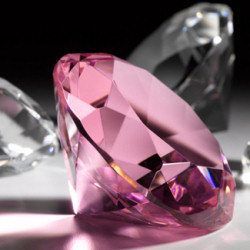
Natural coloured gems can be evaluated according to similar criteria as diamonds. The most important criterion is the tone and depth of colour followed by clarity, carat and cut. The final price is of course influenced also by market demand and rareness of the gem in nature.
We provide a certificate proving the origin and quality of each gemstone enchased in our jewellery.

 
safír safír tThe most desired gems have always been sapphires and rubies. They both belong to the corundum group characterized by its hardness (9 on the Mohs scale) which is only exceeded by that of diamond.

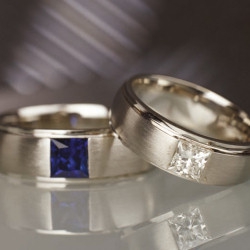
Sapphire is mainly known in all blue shades however it also comes in all other colours of the spectra except for red.

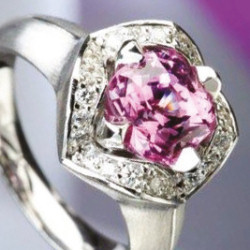
RUBY on the other hand can only be red of many shades depending on its origin. There is a continuous range from pink sapphires to red rubies. Ruby is extremely rare and usually smaller than sapphire which causes its higher price.
t2Emerald is also a very popular gemstone. It belongs to a large family of the beryls and is characterized by its green colour. Compare to other beryls emeralds can hardly be seen without inclusions. Other members of this family are aquamarine (different shades of blue often with greenish shimmer), morganit (pink tones) and heliodor (greenish yellow) all of hardness 7,5-8 on the Mohs scale.
t3TOPAZ is fancied too. Its hardness is 8 and is most commonly found in yellow but comes also in blue, red, green and sometimes it is colourless. In its coulourless form it is used as diamond substitute.

Very attractive and appreciated form of the gemstone zoisite is its blue variety tanzanite (hardness 6-6,5). No less interesting are garnets in many shades of red known as pyrope (Bohemian garnets, rhodolites, almandines). Among green garnets varieties the most popular are tsavoite and rare demantoid. Grossularite comes in yellow and hessonite in orange.t4Peridot is a very old gemstone which has always been appreciated for its radiant olive green colour (hardness 6,5-7).
t5Out of the group of quartz (hardness 7) violet amethyste, yellow citrine, smoky morion and colourless crystal are haunting and often used in jewellery.

Mohs scale of mineral hardness
1.Talc, 2. Gypsum, 3. Calcite, 4. Fluorite,
5. Apatite, 6. Orthoclase Feldspar, 7. Quartz,
8. Topaz, 9. Corundum, 10. Diamond

rubín rubín
smaragd smaragd
akvamarin akvamarin
granát granát
tanzanit tanzanit

headester